Can Diabetes Affect Hearing?


Diabetes is well known for its effects on the heart, eyes, kidneys and nerves, but its impact on hearing is far less widely discussed, despite the connection being well established.
Research consistently shows that people with diabetes are around twice as likely to experience hearing loss as those without the condition, and the reasons come down largely to how diabetes affects the body's blood vessels and nerves.
Blood Sugar and Circulation
The inner ear relies on a rich network of tiny blood vessels and nerve endings to convert sound into signals the brain can interpret. These structures are delicate and highly sensitive to changes in blood supply, which makes them particularly vulnerable to the effects of prolonged high blood sugar.
Over time, elevated blood glucose levels can damage the small blood vessels that supply the inner ear, in much the same way that diabetes affects blood vessels in the eyes and kidneys. Reduced blood flow means the hair cells and nerve fibres responsible for hearing don't receive the oxygen and nutrients they need to function properly, and once damaged, these cells don't regenerate.
High blood sugar has also been linked to damage of the auditory nerve itself, further affecting how sound signals are transmitted to the brain.
This process tends to happen gradually, often without any noticeable symptoms in the early stages, which is part of why the link between diabetes and hearing loss is so often overlooked until hearing changes become more pronounced.
Interestingly, research has found that diabetes-related hearing loss tends to affect higher-pitched sounds first, similar to age-related hearing loss, which can make certain consonants and quieter speech sounds harder to distinguish before the change becomes noticeable in everyday conversation.
Risk Factors
While anyone with diabetes can be affected, certain factors increase the likelihood and severity of diabetes-related hearing loss:
Poorly controlled blood sugar over an extended period, since sustained high glucose levels cause more cumulative damage to blood vessels and nerves than well-managed diabetes.
Longer duration of diabetes, as the risk of hearing loss tends to increase the longer someone has lived with the condition.
Existing diabetic complications, such as neuropathy or retinopathy, which suggest that small blood vessels elsewhere in the body have already been affected.
Age, since age-related hearing loss and diabetes-related hearing loss can compound one another, particularly in adults over 60.
Additional risk factors such as high blood pressure or high cholesterol, which are common alongside diabetes and can further affect blood flow to the inner ear.
Type 2 diabetes has been particularly strongly linked to hearing loss in research, though the connection has been observed in type 1 diabetes as well.
Recognising these risk factors can help identify who may benefit most from closer monitoring of their hearing.
Pre-diabetes, where blood sugar levels are higher than normal but not yet high enough for a diabetes diagnosis, has also been associated with a measurable increase in hearing loss risk. This suggests the effects on the inner ear may begin earlier than many people realise, reinforcing the value of monitoring hearing alongside blood sugar from the outset, rather than only after a formal diagnosis.
Prevention
The most effective way to protect your hearing if you have diabetes is the same approach used to protect against other diabetic complications: keeping blood sugar levels as stable and well managed as possible. Consistently good glucose control reduces the ongoing strain on blood vessels throughout the body, including those supplying the inner ear.
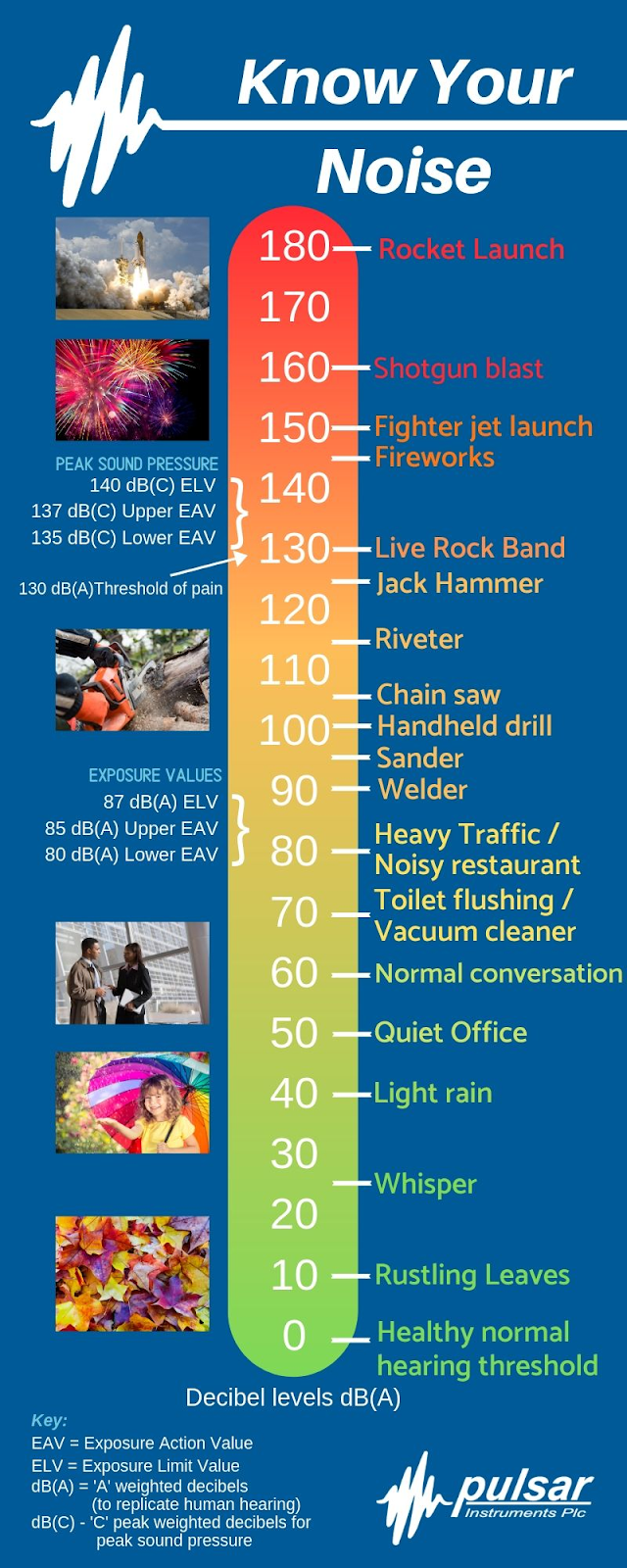
Managing associated risk factors also plays an important role. Keeping blood pressure and cholesterol within a healthy range helps protect circulation more broadly, while avoiding smoking and maintaining regular physical activity both support healthy blood flow. Protecting your ears from loud noise is worth extra attention too, since noise-induced damage can compound the effects of diabetes-related changes in the inner ear.
Attending regular diabetes review appointments and staying on top of routine health checks more broadly gives the best chance of catching related complications, including hearing changes, before they become more serious.
It's also worth speaking to your GP or diabetes care team about how any medications you take might interact with your hearing, since some medicines used to manage diabetes-related conditions can carry their own effects on hearing. A quick conversation as part of a routine review is usually all it takes to stay informed.
Monitoring Your Hearing and Preventing Diabetes Affecting it
Because diabetes-related hearing loss develops gradually and often without obvious symptoms early on, regular hearing tests are an important part of diabetes management, not just a precaution for later life. If you have diabetes, it's generally recommended to have your hearing tested annually, alongside your other routine diabetes checks, rather than waiting until you notice a change.
Signs worth paying attention to between tests include frequently asking people to repeat themselves, turning up the volume on the TV or radio, struggling to follow conversations in noisy environments, or a sense that speech sounds muffled even when it's loud enough. Ringing or buzzing in the ears, known as tinnitus, is also worth mentioning to your audiologist if it develops.
Regular testing not only helps catch hearing loss early, when treatment tends to be most effective, but also gives your audiologist a clear baseline to track any changes over time, making it easier to identify and respond to new developments quickly.
Book Your Hearing Test Today
If you have diabetes, or care for someone who does, building a hearing test into your regular health routine is a simple way to stay ahead of a connection that's often overlooked. Early detection makes treatment easier and more effective, whatever the underlying cause.
Call our specialists on 0800 028 6763 to book your hearing test, or find your nearest clinic today.