

Tinnitus Treatment · All Articles · Hearing Loss
What is Tinnitus and Where Does It Come From? The Three Places It Can Start in Your Ear
Written by Lindsay Fletcher (nee Stride), Company Director and Principal Consultant
· 4 min read
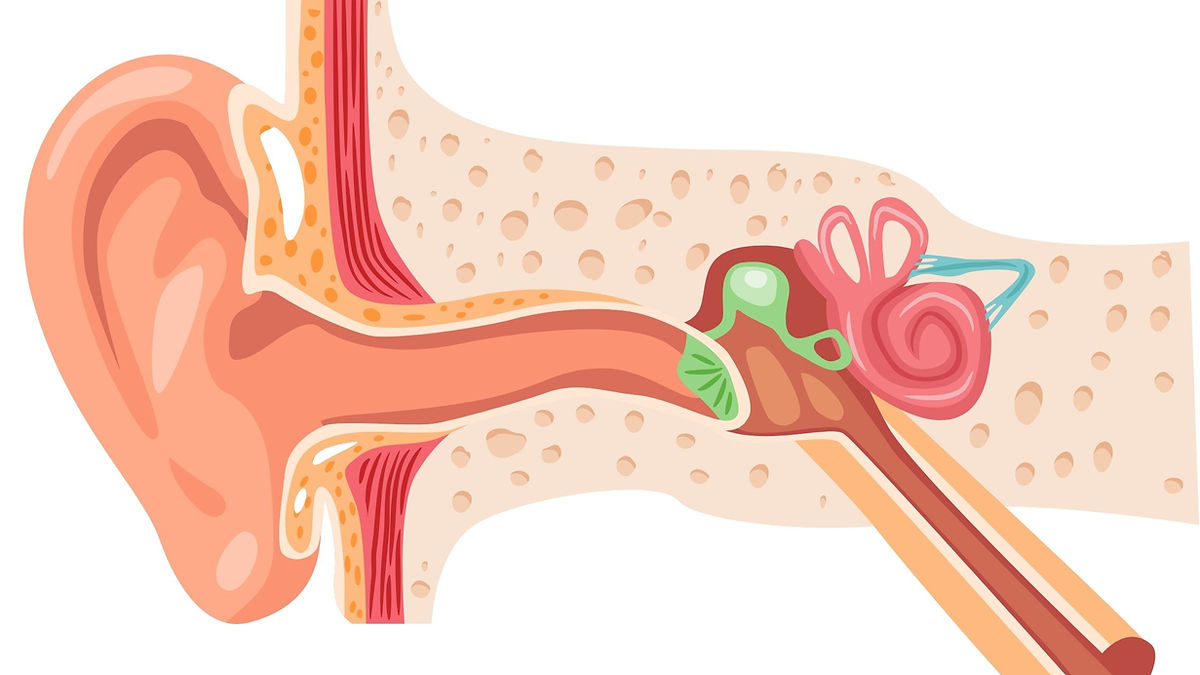
Table of Contents
- What Actually Is Tinnitus?
- The Three Parts of the Ear Where Tinnitus Can Start
- Why the Inner Ear Is the Most Likely Culprit
- Two Theories: The "Misfire" and the Brain's Feedback Loop
- How Do You Actually Find Out Where Yours Is Coming From?
- A Note From Our Audiologist
- What Happens Once We've Found It?
If you've got tinnitus, one of the first questions worth asking isn't "how do I get rid of this?", it's "where is this actually coming from?" Tinnitus isn't a sound arriving from the outside world. It's generated internally, somewhere within the ear itself, and pinning down exactly where is the first real step towards treating it properly rather than just living alongside it.
What Actually Is Tinnitus?
Tinnitus is an unwanted internal sound such as ringing, buzzing, whooshing, hissing, whatever form it takes for you. It's not something anyone else can hear, and it's not coming from somewhere in the room. It originates from within your own ears, which is exactly why finding the source matters so much when it comes to treatment. Be sure to visit our Youtube Channel for an In-depth explanation of Tinnitus.
The Three Parts of the Ear Where Tinnitus Can Start
The ear is one of the most complex organs in the human body, and tinnitus can originate from three distinct regions within it:
- The ear canal and eardrum – If the eardrum itself has a problem, tinnitus can start here. A blockage such as earwax can also cause tinnitus by restricting the eardrum's movement, triggering a reaction that presents as ringing or buzzing.
- The middle ear – Home to the ossicles, the three smallest bones in the human body. Issues here, including unusual vibration patterns, can also generate tinnitus.
- The inner ear (cochlea) – The most common source. This is where sound waves are converted into the signals your brain interprets as hearing.
You can't simply look at someone's ear and know which of these three areas is responsible. It takes proper diagnostic testing to narrow it down, and we have more on that below.
Why the Inner Ear Is the Most Likely Culprit
The cochlea contains around 20,000 tiny hair cells responsible for converting sound vibrations back into signals your brain reads as sound. All incoming sound waves pass over the high-frequency hair cells first, and these are the ones most commonly affected by age or by exposure to loud noise, a bit like a doormat taking the brunt of everyone's footsteps.
When these hair cells are damaged or knocked out of place, some can begin firing on their own, sending signals up the auditory nerve to the brain even though there's no real external sound to report. That misfiring is what many of us experience as tinnitus.
Roughly one in five people with hearing loss will experience tinnitus linked to this kind of hair cell damage. The remaining four in five may have tinnitus stemming from a different cause entirely, which is exactly why proper testing matters rather than guessing.
Two Theories: The "Misfire" and the Brain's Feedback Loop
There are two leading explanations for what's actually happening, and in practice they often work together:
- The misfire theory – Damaged high-frequency hair cells begin moving of their own accord, sending false signals down the auditory nerve to the auditory cortex, which the brain interprets as an ongoing sound.
- The gap-filling theory – Similar to phantom limb sensations after an amputation, the brain sometimes "fills in" for a missing or reduced signal by generating its own. Because the auditory nerve works in both directions, this can restimulate the same hair cells, creating a feedback loop that keeps the sound going and, in some cases, getting louder over time.
Understanding which of these is at play or how much of each helps determine the right approach to quieten things down.
How Do You Actually Find Out Where Yours Is Coming From?
A proper tinnitus assessment goes well beyond a standard hearing test. At Regain Hearing, we test across all three regions of the ear using dedicated diagnostic equipment:
- Tympanometry (ear pressure testing) – Checks how well your eardrum is moving and flags any blockages, such as wax, or looseness that could be contributing to tinnitus.
- Standard hearing test (125Hz–8,000Hz) – Identifies hearing loss within the typical range tested by most audiologists.
- Extended high-frequency and bone conduction testing (beyond 8,000Hz) – Because a large proportion of tinnitus sits between 8,000Hz and 12,000Hz, outside the range most standard tests cover. This is often where hidden hearing loss and the source of the tinnitus is actually found.
Once we know which area is most likely responsible, we can target it directly using clever, sound-engineered noise-cancelling techniques rather than simply masking the problem with white noise or ocean sounds.
A Note From Our Audiologist
"You don't always know exactly where tinnitus is coming from just by looking. I can't get inside your head and listen to it myself — but with the right diagnostic testing across the ear canal, middle ear and inner ear, we can build a really clear picture of what's driving it. That's the difference between masking tinnitus and actually treating it." - Lee Fletcher, Regain Hearing (RHAD), (BSHAA), FdA

What Happens Once We've Found It?
Once we've established the most likely source (Usually, though not always, the high-frequency hair cells in the cochlea) we target it with a specifically tuned sound designed to disrupt that feedback loop, rather than simply covering it up. For many people, this can begin to have a noticeable effect within around half an hour of use.
You don't need to have hearing loss to benefit from this either. Plenty of people come to us with tinnitus alone, and we're able to help using the same targeted approach.
If tinnitus is affecting your day-to-day life, understanding where it's coming from is the first step towards doing something about it. Book an appointment today to find out more.
We are a bespoke Hearing Centre across the South East Ashford · Broadstairs · Chatham · Croydon · Eltham · Folkestone · Maidstone · Northfleet · Ramsgate · Sevenoaks · Whitstable
Give us a call: 0800 028 6763


